
We are dedicated to ending extreme poverty in underserved Andean communities
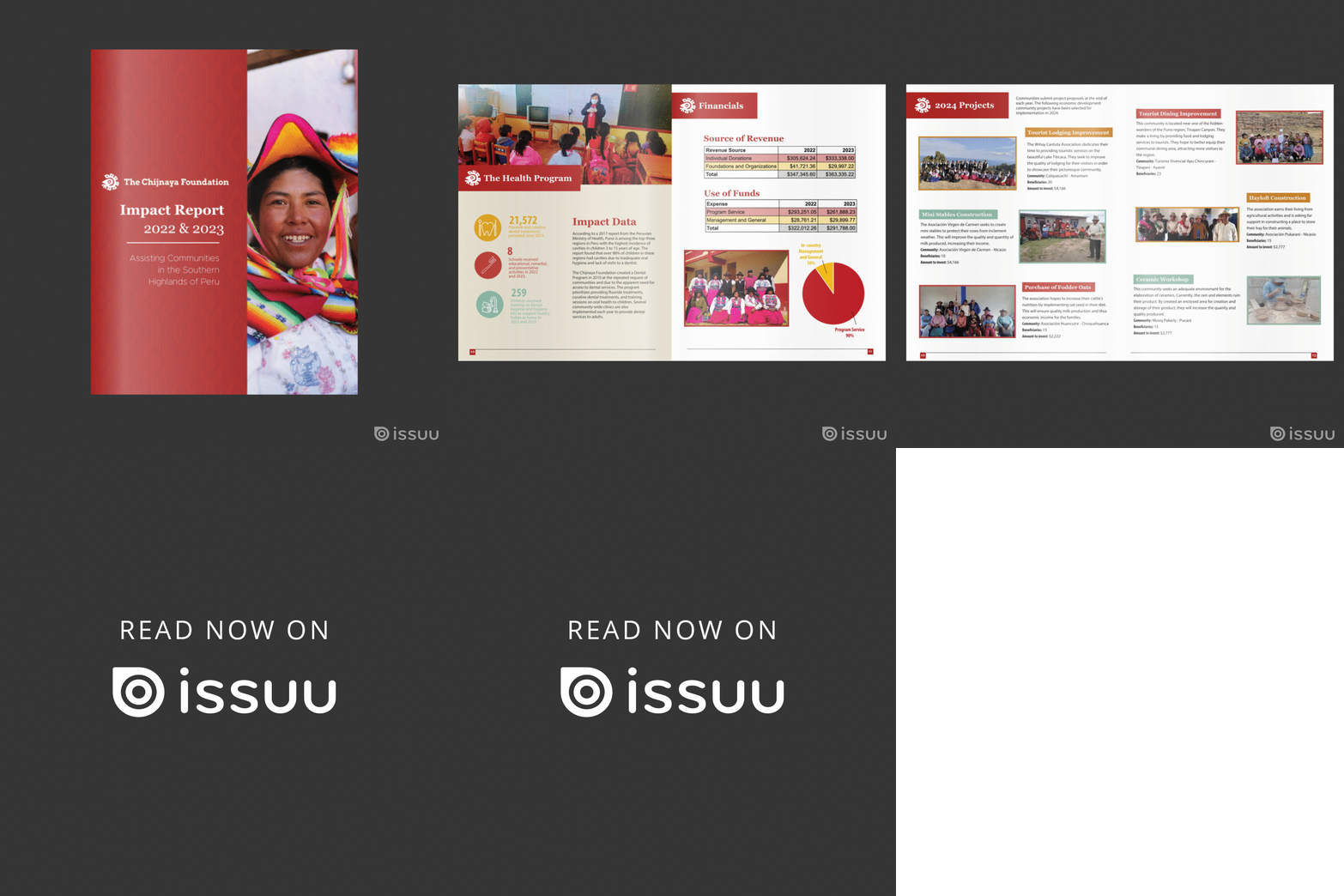
The Chijnaya Foundation works in partnership with rural communities in Southern Peru to design and implement self-sustaining projects in health, education, and economic development. We work with communities long term to develop a comprehensive development strategy and on-going collaboration to meet their goals.
Together we’ve made an impact!
We’re proud to share our 2022-2023 Impact Report, which highlights the achievements, successes, and transformative changes brought about by our collective efforts to work in partnership with rural communities in Southern Peru to design and implement self-sustaining projects over the past two years.
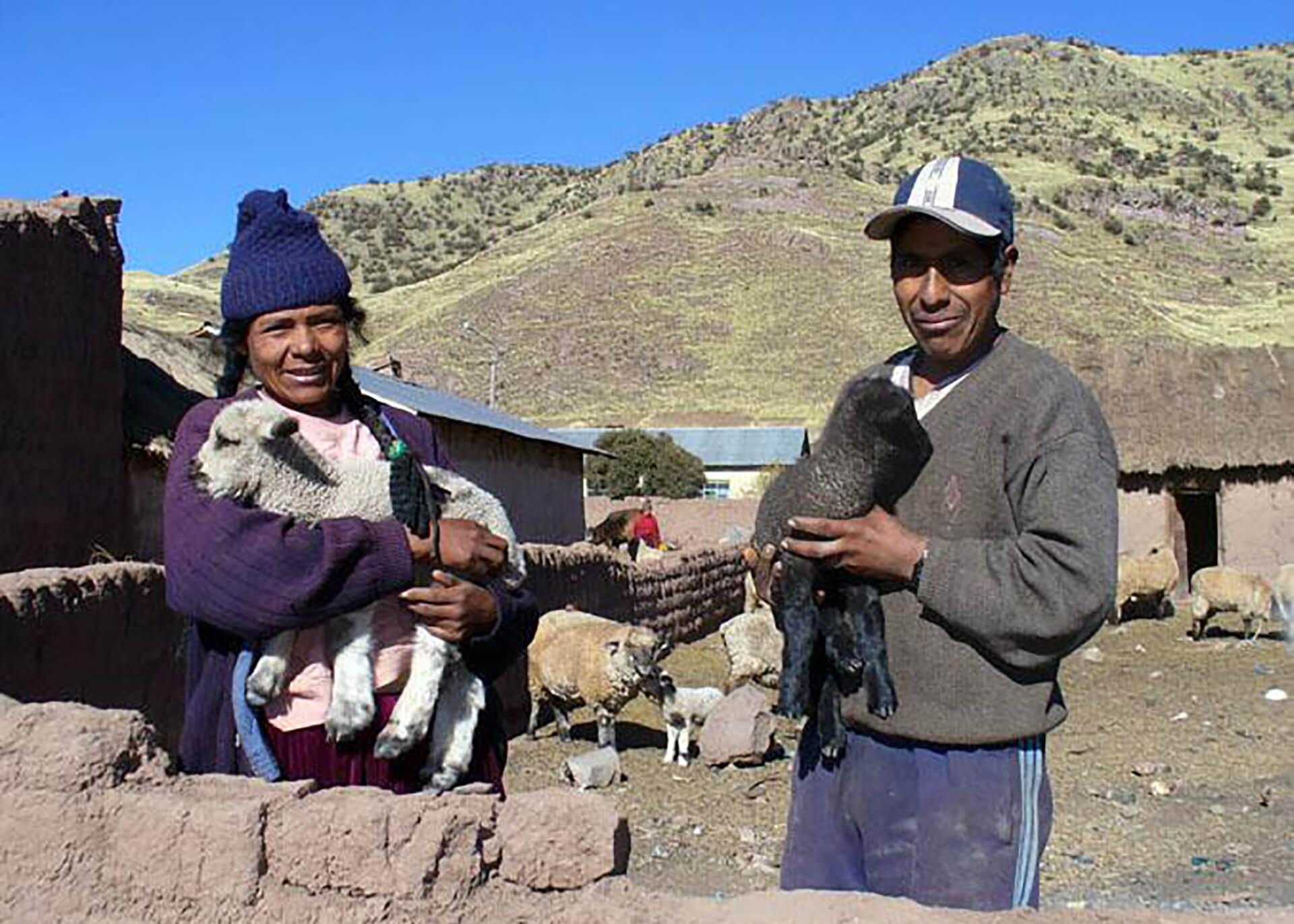
Economic Development
Rural community economic development is at the heart of the Chijnaya Foundation mission, specifically agricultural microlending.
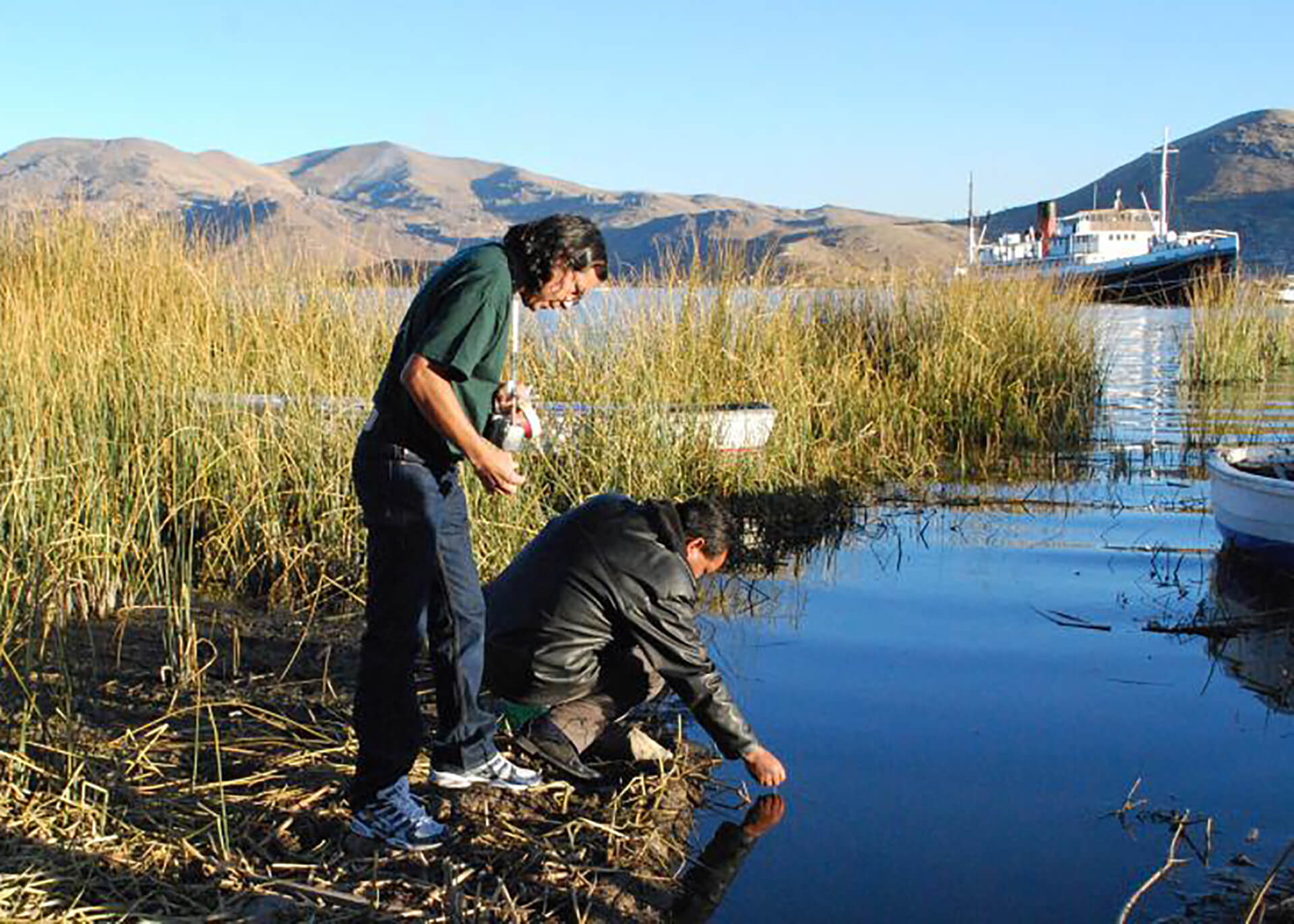
Health & the Environment
The fortunes of families and communities are closely tied to basic health care access, clean water, and native plant and aquatic ecosystems.
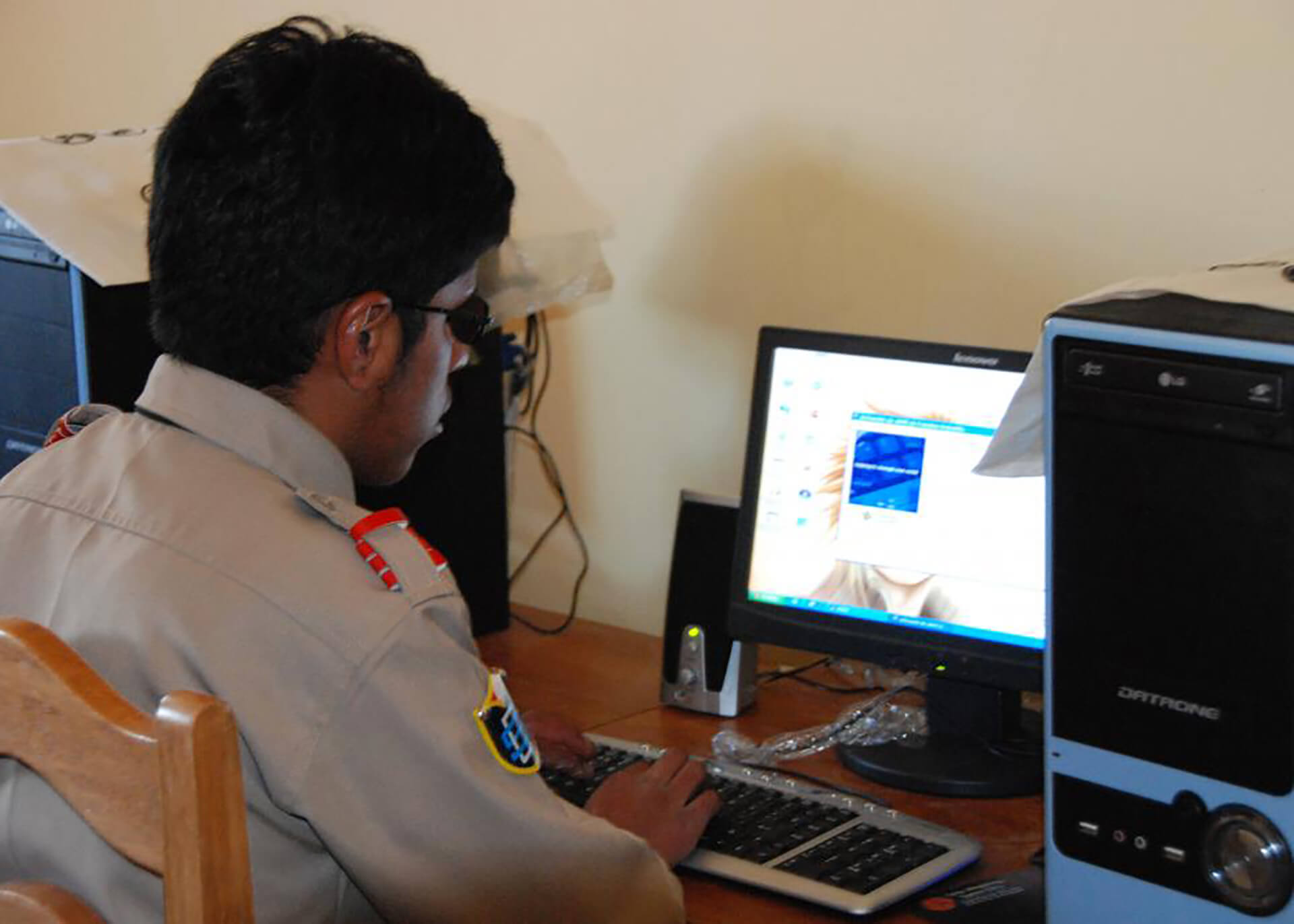
Education
We respond to the overwhelming demand of rural families for access to higher education by establishing a university scholarship program.
WHERE WE WORK
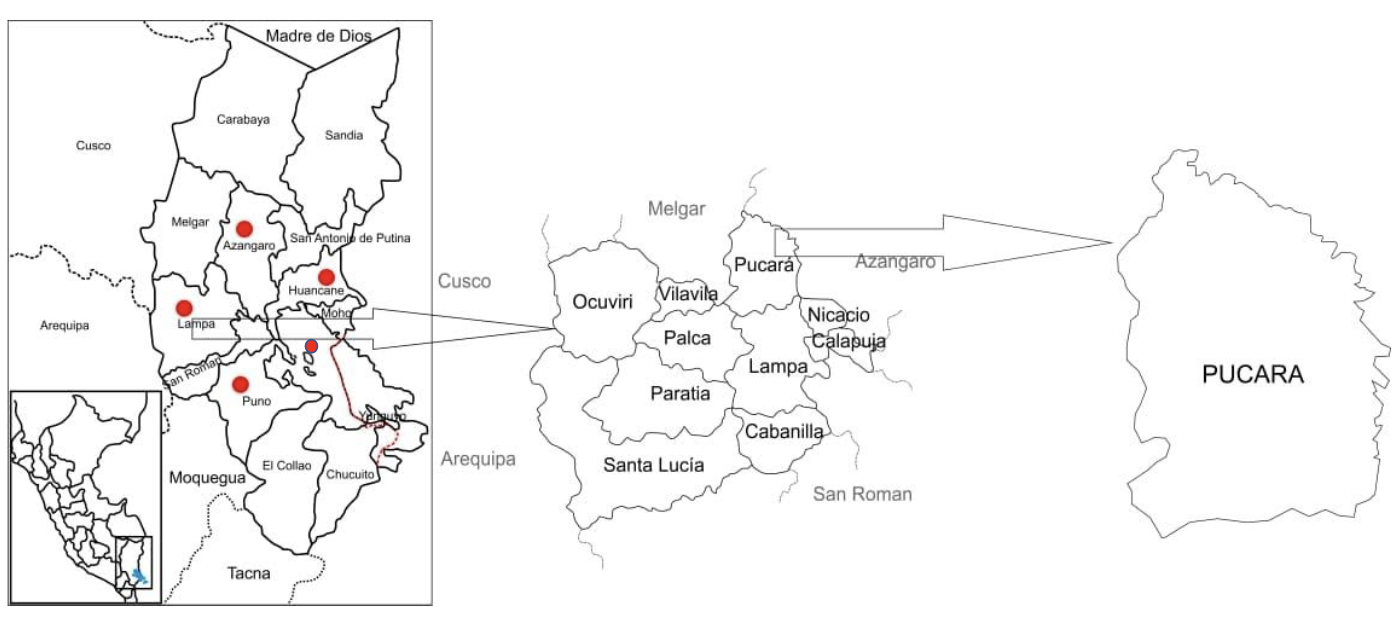
The Chijnaya Foundation works in the Puno region of Peru, a southern state that borders Bolivia. In Puno, our work is focused in the altiplano, a geographic area of high altitude plains and rolling hills that is located at elevations of 12,500 feet and above. The Foundation has worked with communities in the following six districts in Puno: Pucará, Choquehuanca, Taraco, Paratía, Capachica, and Amantani.
2022 ACCOMPLISHMENTS
In 2022 your donations helped communities save and invest their own money through the Group Savings Program, supported community-led projects on the Peruvian altiplano, and so much more!
JOIN US IN MAKING A DIFFERENCE IN 2023!
Community members work with our on-the-ground staff to design projects tailored to their specific needs and goals. Find out what communities would like to accomplish in 2023 and how you can support these community-led projects.
Latest from the #Chijnaya Blog
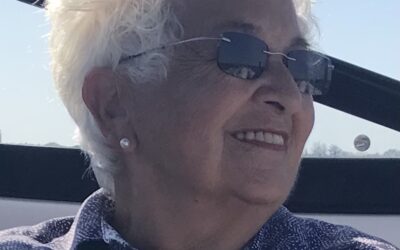
Welcome Judy Farmer to the Board of Directors!
We are happy to welcome Judith Farmer to our Board of Directors at the Chijnaya Foundation.
2022-2023 Impact Report
Our 2022-2023 Impact Report highlights the achievements, successes, and transformative changes brought about by our efforts to work in partnership with rural communities in Southern Peru,

In Loving Memory of Paul L. Doughty
We are honoring the legacy of beloved Board member, Paul L Doughty.